A Parent’s Guide to the CDC Childhood Immunization Schedule
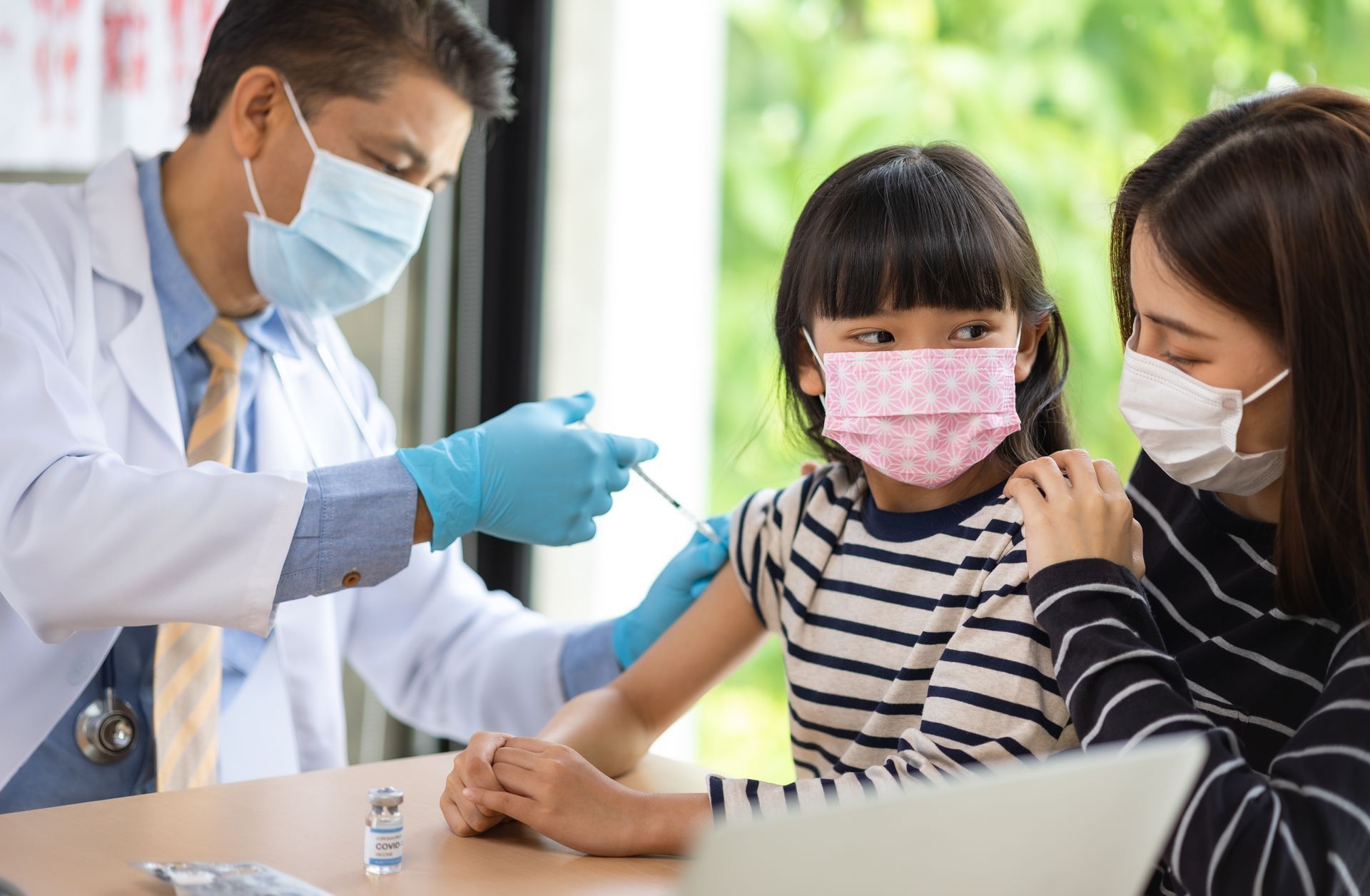
The 2026 AAP immunization schedule helps parents in Indian Land, SC, understand which vaccines their child needs and when. Immunizations protect children from 18 serious, preventable diseases, and following the recommended schedule gives kids the best possible defense at every stage of development. This guide walks you through each key milestone, explains what each vaccine does, and tells you what to expect after a visit.
Why the Immunization Schedule Is Designed This Way
Each year, the AAP reviews the latest scientific evidence and publishes a schedule of recommended vaccines and their timing. That timing reflects how children's immune systems develop and when children are most vulnerable to infection. Timing is not random. Starting on time gives children the best possible protection during the stages when they face the greatest risk of serious infection.
The 2026 AAP immunization schedule is largely unchanged from the 2025 recommendations. The guidance is rooted in decades of research, real-world safety data, and careful review by pediatric and infectious disease experts. Twelve national organizations representing more than one million physicians, pharmacists, and other health care professionals endorse the schedule.
The Schedule by Age Milestone
Birth
The 2026 schedule continues to emphasize universal hepatitis B vaccination beginning at birth. When given within 24 hours of birth, the hepatitis B dose is highly effective at preventing newborn infection. RSV protection may also begin around birth. RSV is the leading cause of hospitalization for babies before their first birthday.
2, 4, and 6 Months
At the 2-month, 4-month, and 6-month well-child visits, babies receive protection against hepatitis B, rotavirus, diphtheria, tetanus, and pertussis (DTaP), Hib, pneumococcal disease, and polio. Influenza vaccination begins at 6 months.
Annual influenza vaccination is recommended for all children starting at 6 months. Historically, over 80% of influenza-associated pediatric deaths have occurred in unvaccinated or incompletely vaccinated children.
12 to 15 Months
Between 12 and 15 months, children receive the MMR (measles, mumps, rubella), varicella (chickenpox), and hepatitis A vaccines. Measles complications can lead to pneumonia, encephalitis, deafness, intellectual disability, and even death. The two-dose hepatitis A series begins at age 1.
15 to 18 Months and 4 to 6 Years
Booster doses of DTaP and other vaccines are given at 15 to 18 months and again at 4 to 6 years before school entry. This is especially relevant for families in Indian Land, SC, where children entering kindergarten must meet South Carolina's school immunization requirements. Students enrolled in grades 5K to 12 in public and private schools must be up to date on required immunizations. Ask for a new South Carolina Certificate of Immunization each time your child receives a shot, and give a copy to your child's school.
Adolescents (11 to 12 Years and Beyond)
At age 11 to 12, the AAP recommends the Tdap booster, meningococcal vaccine, and HPV vaccine series. The HPV vaccine is most effective when given before adolescence because it protects against several types of cancer later in life. MenB vaccination may be discussed for adolescents, with 16 to 18 years being a preferred age range for shared clinical decision-making.
What to Expect After Vaccine Visits
Most post-shot reactions are mild and temporary. These reactions are a sign the vaccine is working: the child's body is building new antibodies. Symptoms usually clear within a few days.
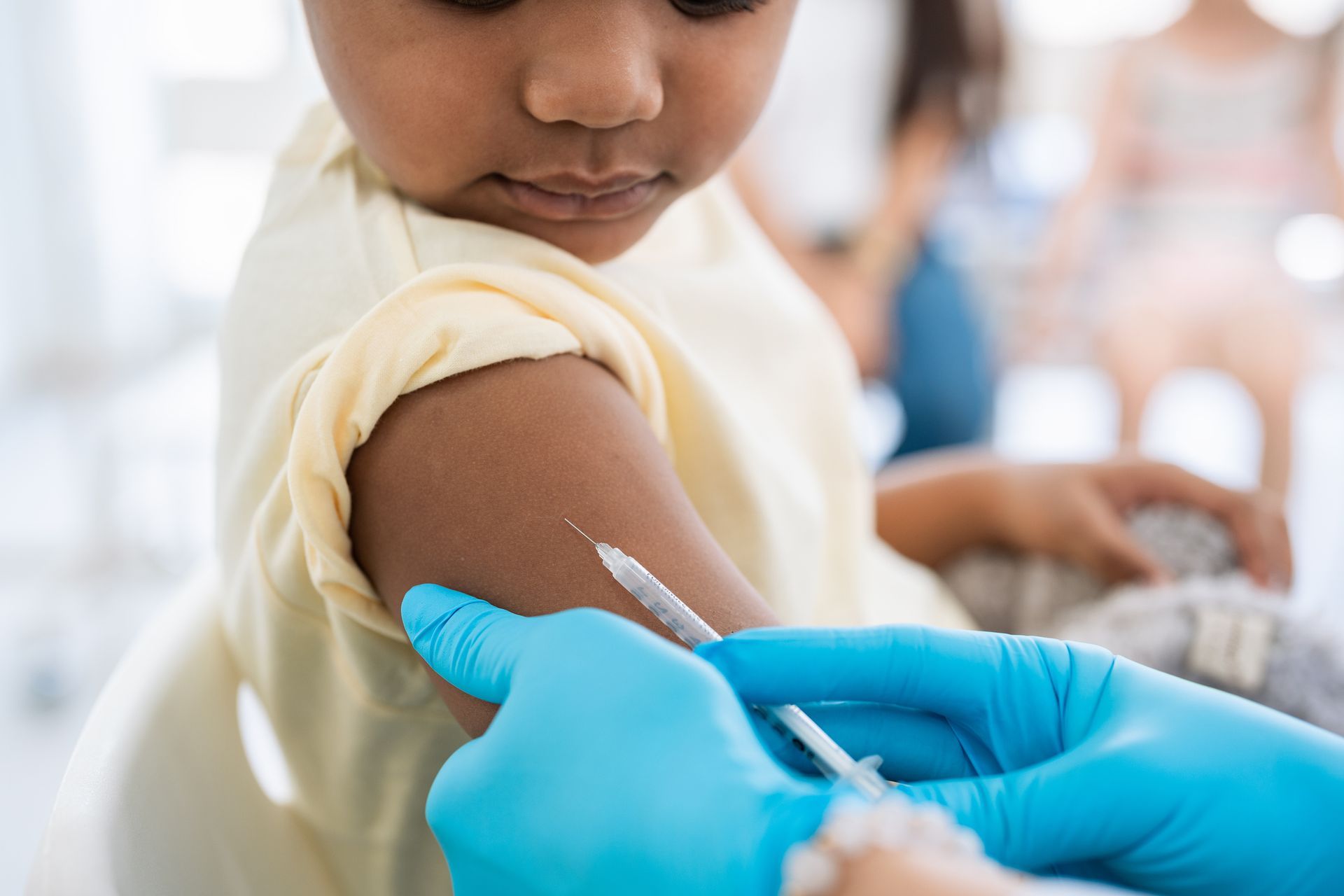
Many vaccines can cause mild fussiness, crying, and restless sleep, usually because the shot site is sore. Some children sleep more than usual, and a decreased appetite is also common. Injection-site soreness often improves within one to two days, while mild fever or fatigue usually resolves within 24 to 48 hours. Parents should seek immediate medical attention if their child develops a high fever, difficulty breathing, severe swelling, or appears unusually unwell.
Can My Child Receive Multiple Vaccines in One Visit?
Yes. Children can safely receive multiple vaccines at the same appointment, and combination shots are designed to reduce the total number of injections needed while still delivering full protection. Your child's provider reviews records at each visit to keep the schedule on track.
What If My Child Missed Vaccines?
A catch-up schedule is available for children ages 4 months to 18 years who start late or fall more than one month behind. Contact your pediatrician to review your child's records and build a catch-up plan.
Are Vaccines Required for School Enrollment in South Carolina?
Yes. South Carolina law requires a valid SC Certificate of Immunization or a valid exemption; children without one may not attend school. Planning well-child visits during spring or summer can help families in the Lancaster County School District avoid delays before the school year begins.
Ready to Keep Your Child's Vaccines on Track?
The team at Mante Pediatrics, serving Indian Land, SC, follows AAP guidelines at every well-child visit to help your family stay on schedule from birth through adolescence. Call (803) 313-3846 to book an appointment, learn more about vaccines and immunizations, or contact the team today with any questions. Protecting your child starts with one visit.